London is a vibrant city known for its busy streets, historic buildings, and modern architecture. However, living or working in such a bustling environment comes with certain maintenance challenges. One of the most overlooked problems is how air pollution affects the cleanliness and appearance of windows.
Every day, airborne dust, traffic emissions, construction debris, and environmental particles settle on glass surfaces. Although the buildup may seem harmless initially, it can gradually reduce visibility, affect natural light, and make properties appear poorly maintained.
Understanding how pollution interacts with your windows can help you establish a practical cleaning routine and maintain a brighter, more welcoming property.
Why Does Air Pollution Make London Windows Dirty?
Air pollution contains a mixture of gases and airborne particles originating from various sources. While pollutants such as nitrogen dioxide are gases, particulate matter can settle directly on windows and surrounding surfaces.
London’s busy roads, construction activities, and densely populated neighbourhoods contribute to the presence of these particles.
Some common sources of window contamination include:
- Vehicle emissions: Exhaust particles and traffic-related grime can contribute to dirty glass surfaces.
- Road dust: Moving vehicles can lift settled dust into the air, allowing it to reach nearby buildings.
- Construction activities: Building projects can release dust that accumulates on windows, frames, and ledges.
- Airborne particles: Wind carries pollen, soil, and other debris across residential and commercial areas.
- Environmental moisture: Rain and condensation can combine with existing dirt, leaving visible marks when surfaces dry.
These sources explain why windows can become dirty even when they have not been touched or exposed to obvious spills.
How Traffic Pollution Creates Stubborn Window Grime
Traffic is an important contributor to airborne particles in urban environments. Vehicles release emissions, while tyre wear, brake wear, and road surface deterioration also generate particles. Windows facing busy roads may collect grime more quickly than those overlooking quiet gardens or sheltered courtyards.
Over time, this contamination can form a thin layer across the glass. When mixed with moisture, it may create streaks, dull patches, or deposits that become increasingly noticeable in direct sunlight. Properties situated near major roads, junctions, and commercial streets may therefore require more frequent attention. Regular cleaning helps remove these deposits before they become difficult to manage.
Why Construction Dust Is a Growing Window Cleaning Concern
London continually experiences building renovations, infrastructure improvements, and property developments. Although construction supports the city’s growth, nearby properties can experience additional dust exposure.
Fine particles from activities such as drilling, cutting, and moving building materials can travel through the air and settle on glass.
Windows close to construction sites may develop:
- Visible dusty coatings across the glass
- Dirt accumulation around window frames
- Deposits along sills and drainage channels
- Reduced clarity and natural light
- Stubborn marks following rainfall
Construction residue requires careful attention because some particles may be abrasive.
Aggressive scrubbing or wiping dry glass with a dirty cloth can create scratches. Where cement, mortar, or other building residues are present, specialist cleaning techniques may be necessary.
Choosing an appropriate cleaning method helps protect the surface while removing unwanted contamination.
Can Air Pollution Affect Natural Light Indoors?
Clean windows allow daylight to enter homes and workplaces without unnecessary obstruction. However, layers of dirt, dust, and environmental residue can gradually reduce the clarity of glass. The difference may be particularly noticeable in properties with large windows, conservatories, glass doors, or extensive commercial glazing.
Even relatively light contamination can make windows appear cloudy when viewed against sunlight. Clean glass can help rooms feel brighter and more inviting, particularly during London’s shorter winter days.
For homeowners, this contributes to a pleasant living environment. For commercial premises, clear windows can also improve the presentation of reception areas, offices, and customer-facing spaces.
Importantly, cleaning restores surface clarity but cannot correct permanent damage or defects within glazing units.
Does Rain Wash Away Pollution From Windows?
Many people assume that rainfall naturally cleans exterior glass. Although rain can remove some loose particles, it does not necessarily eliminate accumulated grime. When rainwater flows across a dirty window, it can redistribute existing contamination. As the water dries, remaining particles may create visible streaks or spots. Other factors, including dirty frames, polluted ledges, and water runoff from surrounding surfaces, can make the problem more noticeable.
This explains why windows sometimes appear dirtier after rainfall, especially when they were already heavily contaminated. Professional cleaning removes accumulated dirt more thoroughly rather than relying on rainfall to wash it away.
Why Some London Properties Need More Frequent Window Cleaning
Not every property experiences the same level of pollution. Window cleaning requirements depend on several factors, including location, building design, surrounding activities, and exposure to weather.
For example, a ground-floor shop beside a busy road may experience faster dirt accumulation than an upper-floor residential property overlooking a quiet courtyard. Similarly, properties near construction sites may require additional cleaning until nearby work is completed.
A practical starting point might include:
- Busy retail frontages: Weekly or fortnightly cleaning, depending on presentation requirements.
- Residential properties near main roads: Cleaning approximately every four to eight weeks.
- Homes in quieter neighbourhoods: Cleaning every eight to twelve weeks, depending on exposure.
- Properties affected by construction: Additional cleaning when significant dust accumulates.
These are general guidelines rather than fixed rules. The ideal schedule should reflect actual conditions and customer preferences. A professional assessment can help determine a suitable cleaning frequency without unnecessary visits.
How Modern Window Cleaning Methods Remove Urban Pollution
Modern window cleaning has evolved considerably, offering effective methods for different property types and access requirements. One widely used approach is purified water cleaning.
Pure Water Window Cleaning
Pure water systems remove dissolved minerals and other impurities from the cleaning water. When combined with suitable brushes and equipment, purified water helps loosen and rinse away everyday dirt from exterior glass.
Because the water contains very low levels of dissolved minerals, it can dry without the mineral spotting commonly associated with untreated tap water. This method is particularly useful for many residential and commercial window cleaners in London city.
Traditional Window Cleaning
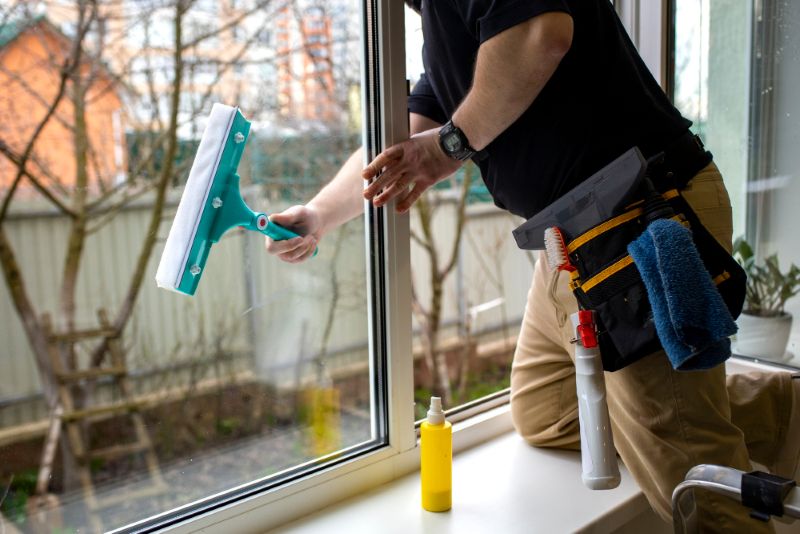
Traditional techniques involving applicators, suitable cleaning solutions, and professional squeegees remain effective for accessible windows. They allow controlled cleaning of glass surfaces and can be especially useful for certain interior windows, shopfronts, and detailed work.
Water Fed Pole Systems
Water fed poles allow trained cleaners to reach many elevated exterior windows while working from ground level. They can be useful for properties where direct access is inconvenient. However, the appropriate cleaning method always depends on building height, access, glazing condition, and safety requirements.
How to Keep Windows Cleaner Between Professional Visits
Although outdoor pollution cannot be eliminated completely, simple maintenance habits can help reduce visible dirt buildup. Avoid wiping heavily contaminated glass with a dry cloth, as trapped particles may scratch the surface. Use clean, non-abrasive materials when cleaning accessible areas, and follow suitable techniques for the type of glass.
Keep window sills and surrounding frames free from accumulated debris where it is safe to do so. Inspect drainage channels regularly and remove loose leaves or dirt that could obstruct water flow. Avoid attempting to clean high or difficult-to-reach windows without appropriate equipment and training.
Most importantly, establish a cleaning schedule based on your property’s surroundings rather than waiting until the glass becomes noticeably dirty. For professional residential and commercial window cleaning using traditional techniques and modern pure water systems, contact Alex & Chris Window Cleaning Ltd to discuss your property and arrange a suitable cleaning service.
FAQs
Does air pollution permanently damage window glass?
Ordinary airborne dirt usually affects appearance rather than causing immediate permanent damage. However, certain abrasive or chemically reactive deposits may create problems if handled incorrectly or left untreated.
Are windows near busy roads harder to maintain?
They can be. Traffic-related dust and grime may accumulate more quickly, making regular cleaning particularly useful.
Is pure water cleaning suitable for polluted windows?
Yes, it can effectively remove many everyday deposits when combined with appropriate equipment and cleaning techniques. Specialist contamination may require additional treatment.
Should windows be cleaned during winter?
Yes. Window cleaning remains useful throughout the year, provided weather conditions allow the work to be completed safely.
Can professional cleaning prevent pollution from returning?
No cleaning method can permanently prevent airborne particles from settling on glass. However, regular maintenance helps restore clarity and manage recurring contamination.
Keep Your London Windows Clean Despite Everyday Pollution
Air pollution is an unavoidable part of urban life, but dirty windows do not have to become a permanent feature of your property.
Understanding the effects of traffic emissions, construction dust, environmental particles, and changing weather conditions makes it easier to maintain glass surfaces effectively.
Regular window cleaning helps preserve clear views, improve the appearance of buildings, and create brighter indoor spaces.
Whether you manage a residential property, retail premises, or commercial building, choosing suitable cleaning methods and maintenance intervals can make a noticeable difference.